WILSONELECTRONICS.COM, WILSONPRO.COM AND ZINWAVE.COM ARE NOW WILSONCONNECTIVITY.COM

The Facts About Cell Signal Boosters
February 10, 2024
With so many solutions promising better cell coverage, skepticism about signal boosters is natural. You’re probably wondering, how do these devices actually work, and more importantly, do they deliver on what they promises? We examine the science behind signal boosters and what real-world results you can expect from a properly installed system.
If the external phone signal is weak, gain becomes your most important consideration, since the best signal booster in this situation is the one that can make the most of a weak incoming signal. If your building’s structure needs to be compensated for by distributing the signal through indoor antennas, downlink power becomes an important consideration.
Boosters exist as scalable solutions for small and large worksites alike as well as vehicle fleets. They can be used in large housing complexes, commercial buildings, hospital campuses, and hotels. It’s possible for some cell phone booster systems to amplify a signal up to 32 times the original signal’s power.
Different signal boosters have different strengths. It’s essential to consult with professionals to determine the best solution for your situation. At Wilson Connectivity, we can help you with that initial consultation.
At Wilson Connectivity, we prefer to avoid that kind of trade-off and recommend a more flexible approach. Our signal boosters work with multiple carriers — providing flexibility and support no matter what service provider you’re with and staying reliable even during changeovers. The multiple-carrier booster doesn’t sacrifice much in the way of gain in order to provide that flexibility. You can rely on it to deliver the benefits of reliable mobile service and to compensate effectively for signal problems.
Wilson Connectivity's signal-boosting technology works not only to equally enhance the services of all major carriers operating in your area, but it’s also fully self-contained. Cell phone signal boosters provide an affordable, FCC-approved solution to enhance in-building signal and solve your unique business challenges.
The experts at Wilson Connectivity are more than happy to engage with you. We’re here to learn the specifics of your business’ mobile device needs and the challenges you face, and to provide recommendations for the best cell phone signal booster for your team.
Contact us today and discover the peace of mind that comes with a clear signal. You can also find out more about Wilson Connectivity’s solutions to enhance your team’s mobile device signals by downloading our Buyer’s Guide or scheduling a no-obligation demo.
How Signal Boosters Can Help
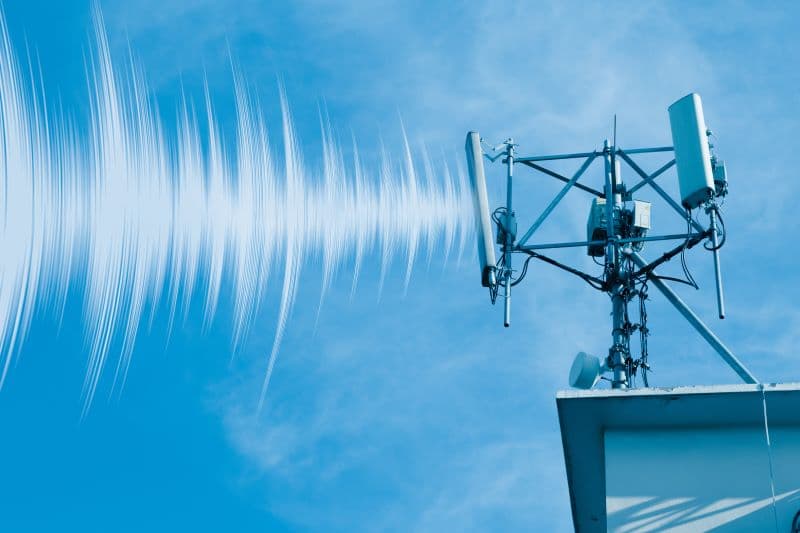
A cell signal booster is patented digital technology that works by capturing and amplifying the signal sent to a mobile device by a nearby tower. Generally it brings together three basic elements:- A donor antenna installed outside a structure, such as an office building or commercial property.
- An indoor antenna (or network of indoor antennas) that distributes that signal to the cell phones of everyone in the building.
- An amplifier that boosts the signal coming to cell phones.
If the external phone signal is weak, gain becomes your most important consideration, since the best signal booster in this situation is the one that can make the most of a weak incoming signal. If your building’s structure needs to be compensated for by distributing the signal through indoor antennas, downlink power becomes an important consideration.
Boosters exist as scalable solutions for small and large worksites alike as well as vehicle fleets. They can be used in large housing complexes, commercial buildings, hospital campuses, and hotels. It’s possible for some cell phone booster systems to amplify a signal up to 32 times the original signal’s power.
Different signal boosters have different strengths. It’s essential to consult with professionals to determine the best solution for your situation. At Wilson Connectivity, we can help you with that initial consultation.
Benefits That Cell Phone Signal Boosters Provide
In addition to dropped calls, there are plenty of further benefits to having signal booster support for your team. Signal boosters can help with:- Emergency preparedness. Reliable communication is essential when your team needs to connect with each other to address emergency needs, and it also keeps you connected to emergency services in your area, which can be crucial if the unexpected happens.
- Reliable customer connections. Being online and reachable by customers in a consistent fashion is one of the top priorities of a digital business environment. Cell signal boosters help your mobile architecture to hit that mark consistently.
- High-fidelity streaming of fast data. The ability to conduct video conferences and interviews without lag is particularly important in the face of large-scale disruptions like the COVID-19 pandemic. Reliable and fast data streaming makes the quality of such meetings vastly superior, and it makes it far easier to upload and download the shared data your team relies on.
- More efficient power usage. Mobile devices scanning fruitlessly for weak or interrupted signals can often deplete their batteries much more quickly than normal, leaving devices out of commission and in charging mode when they’re needed most. The power savings can be significant, amounting to up to two extra hours of talk time.
Making the Right Choice for Your Cell Phone Signal Booster
There are a wide range of cell signal boosters on the market — all touting their own particular features and approaches. Some signal boosters provide a very high rate of gain, but at the notable price of only being functional with one mobile carrier: these are called single-carrier boosters.At Wilson Connectivity, we prefer to avoid that kind of trade-off and recommend a more flexible approach. Our signal boosters work with multiple carriers — providing flexibility and support no matter what service provider you’re with and staying reliable even during changeovers. The multiple-carrier booster doesn’t sacrifice much in the way of gain in order to provide that flexibility. You can rely on it to deliver the benefits of reliable mobile service and to compensate effectively for signal problems.
Wilson Connectivity's signal-boosting technology works not only to equally enhance the services of all major carriers operating in your area, but it’s also fully self-contained. Cell phone signal boosters provide an affordable, FCC-approved solution to enhance in-building signal and solve your unique business challenges.
Contact Wilson Connectivity Today
Prominent brands across multiple industry verticals rely on Wilson Connectivity cellular signal boosters. These signal boosting systems really do work, and their ability to guarantee full digital access for geographically distributed teams, or teams working at large worksites, can be a crucial contributor to the efficiency of your company. They can enhance productivity, safety and the overall sense of connection among your colleagues and with your customers.The experts at Wilson Connectivity are more than happy to engage with you. We’re here to learn the specifics of your business’ mobile device needs and the challenges you face, and to provide recommendations for the best cell phone signal booster for your team.
Contact us today and discover the peace of mind that comes with a clear signal. You can also find out more about Wilson Connectivity’s solutions to enhance your team’s mobile device signals by downloading our Buyer’s Guide or scheduling a no-obligation demo.
Featured & Trending Now
Six Ways to Solve In-Building Wireless: How to Figure Out Which One You Actually Need