WILSONELECTRONICS.COM, WILSONPRO.COM AND ZINWAVE.COM ARE NOW WILSONCONNECTIVITY.COM

What is a Cell Signal Dead Zone and How To Fix It
November 13, 2023
Cell signal dead zones aren’t just annoying – they can critically impact business operations and safety. Whether you’re dealing with spotty coverage in elevator lobbies or complete signal blackouts in basement offices, understanding why dead zones occur is the first step to eliminating them. Here’s our actionable guide to identifying and fixing dead zones for good.Let’s take a look at some of the culprits that cause dead zones:
DAS solutions capture the strongest outside cell signals and amplify them as much as 32 times. Devices known as cell signal boosters use antennas to detect any existing signal and bring it indoors. The signals are then rebroadcast to provide the strongest signal possible. Because passive DAS is carrier agnostic, it amplifies and broadcasts signals from all carriers equally. Anyone can access a boosted signal. DAS is an affordable and effective solution for restoring cell signal to dead zones and can even be employed for large areas up to 100,000 square feet or more.
You don’t have to accept dead zones as a fact of life. Cell signals can be improved in just about every indoor space or structure. If you’d like to know how Wilson Connectivity can help you fix the dead zones that are hampering your cellular connection, contact us today.
What causes a ‘dead zone?’
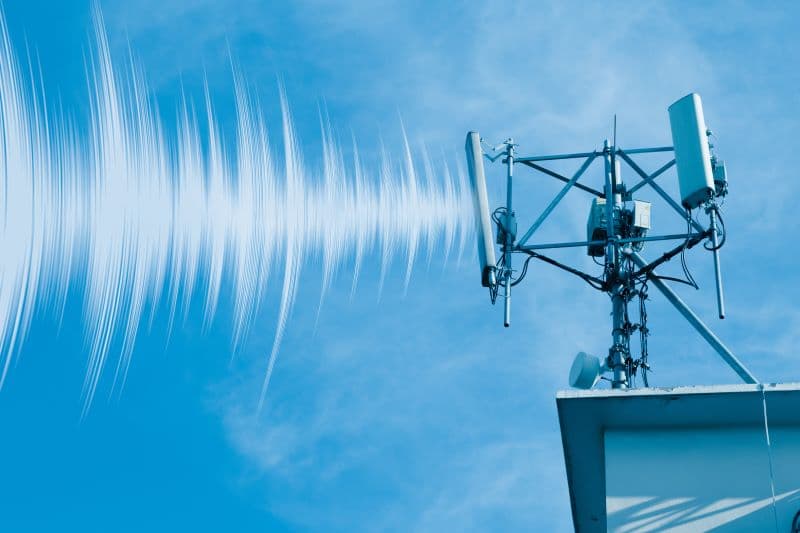
Cellular signals come from towers that transmit a signal. While there’s no shortage of cell towers in all but the most remote locations, many other factors can prevent these radio frequency (RF) cellular signals from reaching your mobile device. Areas where something is standing between the nearest cell tower and your mobile device are known as dead zones. In these spots, devices cannot access a strong enough signal to function properly on a cellular network.Let’s take a look at some of the culprits that cause dead zones:
- Distance from cell towers – If you’re in one of the few remaining remote areas that lack sufficient cell tower coverage, connections will obviously be tricky. Even if you do get a signal in these areas, it is often spotty, resulting in dropped calls, lost connections, and a drained battery as your phone or device searches endlessly for signal.
- Terrain/Environment – There are several types of terrain that can obstruct signals from cell towers. Mountains, hills, and bluffs can all render an area a dead zone by absorbing cell signals before they reach a mobile device. Tall trees, dense forests, and other vegetation can also act as barriers to cell signal waves.
- Metal and glass in vehicles – The materials that are used to keep us safe inside of our cars, or on trains and subways, can also keep cellular signals out. Most of us willingly accept this tradeoff, but those materials are often the reasons we experience dropped calls while in transit. That’s why you’ll often find that rolling down a car window can quickly boost the quality of a call.
- Building construction materials – Brick, concrete, and the steel materials used in the construction of commercial buildings, bridges, tunnels and parking garages are notorious cell signal obstructors. Green building materials, including LEED-certified windows, can also hamper cell service. All of these materials can be difficult for cellular signals to penetrate, and can render an already weak signal useless.
- Atmospheric/weather conditions – Turbulent storms, thick fog, and other weather conditions can easily disrupt cell signals.
How to fix a dead zone
While there is little you can do to control the weather, or the occurrence of dead zones out on the open road or on your daily subway commute, signal can be restored to dead zones in just about every indoor space. Through distributed antenna systems (DAS) technology cellular signals can be boosted to these dead zone locations.DAS solutions capture the strongest outside cell signals and amplify them as much as 32 times. Devices known as cell signal boosters use antennas to detect any existing signal and bring it indoors. The signals are then rebroadcast to provide the strongest signal possible. Because passive DAS is carrier agnostic, it amplifies and broadcasts signals from all carriers equally. Anyone can access a boosted signal. DAS is an affordable and effective solution for restoring cell signal to dead zones and can even be employed for large areas up to 100,000 square feet or more.
You don’t have to accept dead zones as a fact of life. Cell signals can be improved in just about every indoor space or structure. If you’d like to know how Wilson Connectivity can help you fix the dead zones that are hampering your cellular connection, contact us today.
Featured & Trending Now
Six Ways to Solve In-Building Wireless: How to Figure Out Which One You Actually Need